Why General Contractors Choose Cold-Formed Steel Over Wood Framing

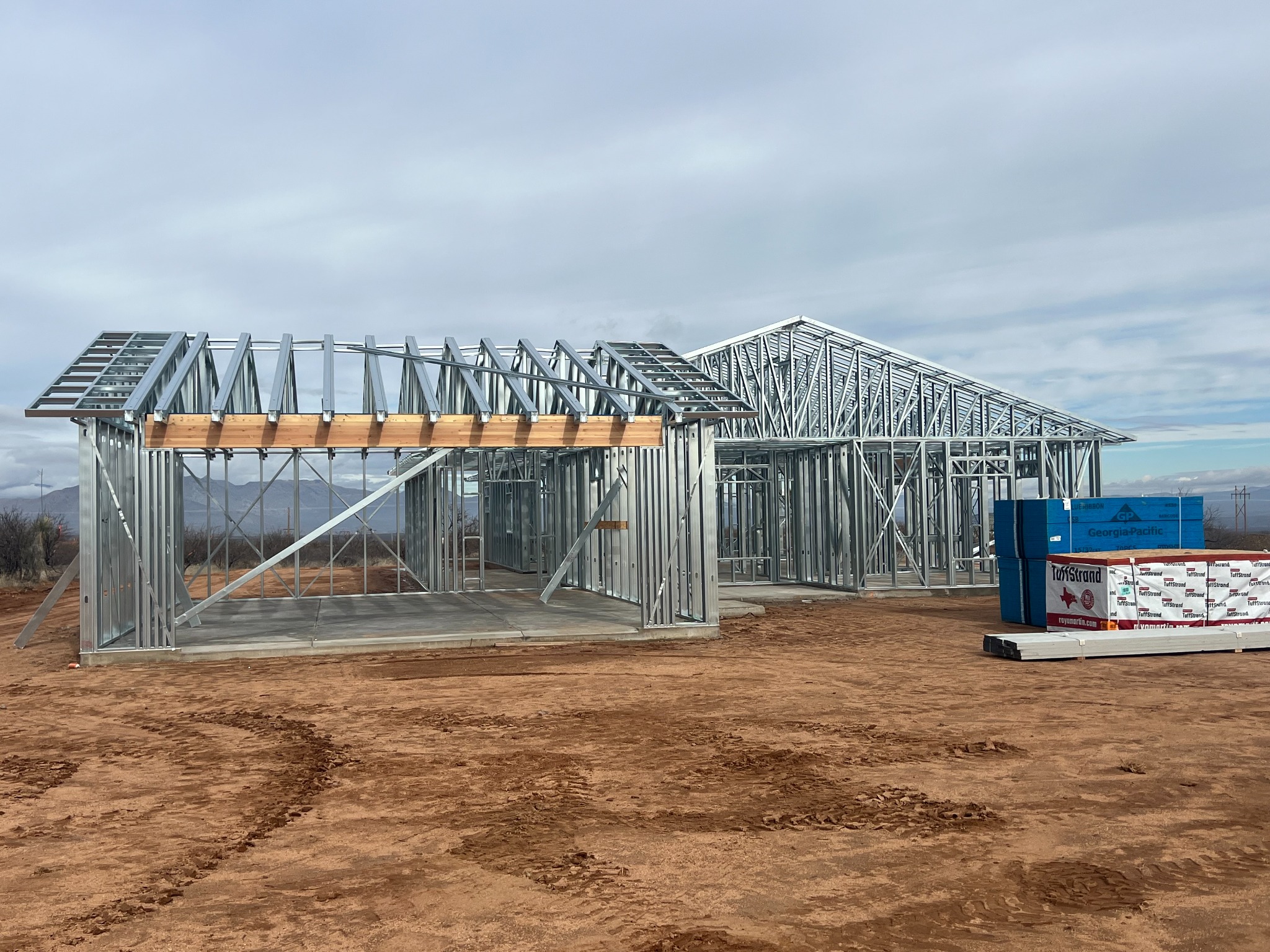
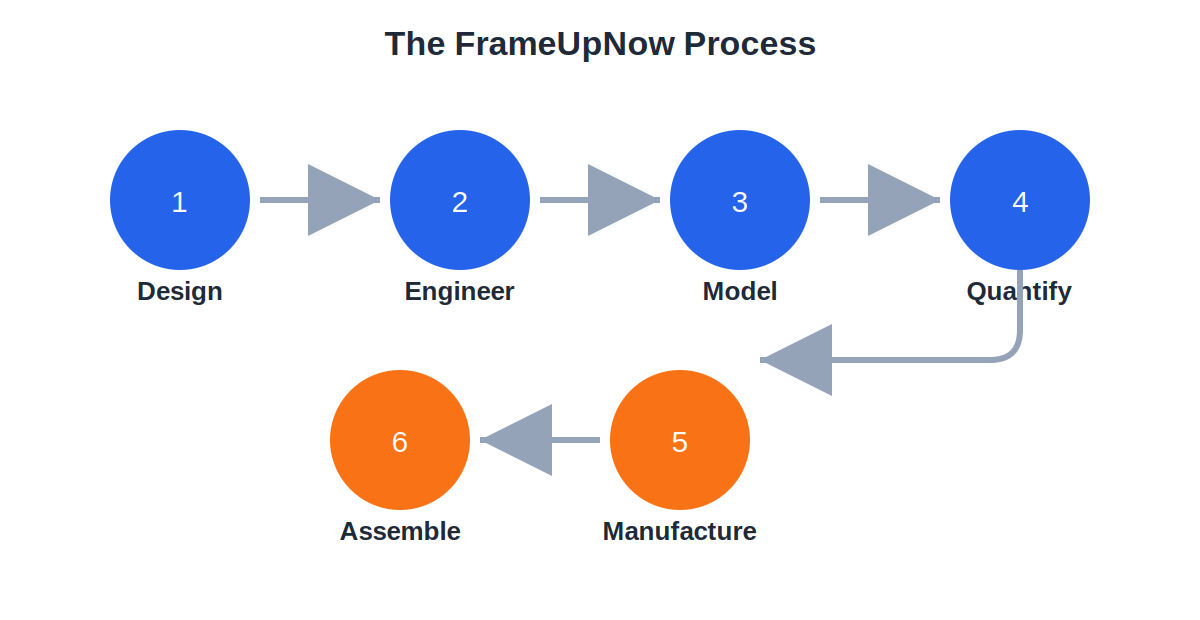
Quick Answer: General contractor Brad Cooper of MC² Homes builds custom homes with cold-formed steel (CFS) instead of wood because steel is dimensionally stable — it doesn’t shrink, twist, or warp the way wood can — which keeps walls straighter and openings more accurate. Working with FrameUpNow, an engineered CFS system that uses Building Information Modeling (BIM) to generate exact material quantities before construction begins, gives Cooper a more predictable framing process with less field modification, less waste, and fewer surprises for the trades that follow.

What Does a General Contractor See That a Homeowner Doesn’t?
Why Is Cold-Formed Steel Different From Wood?
Cold-formed steel, or CFS, is manufactured from structural-quality sheet steel that is precision-formed into framing components. One of the fundamental differences from wood is dimensional stability: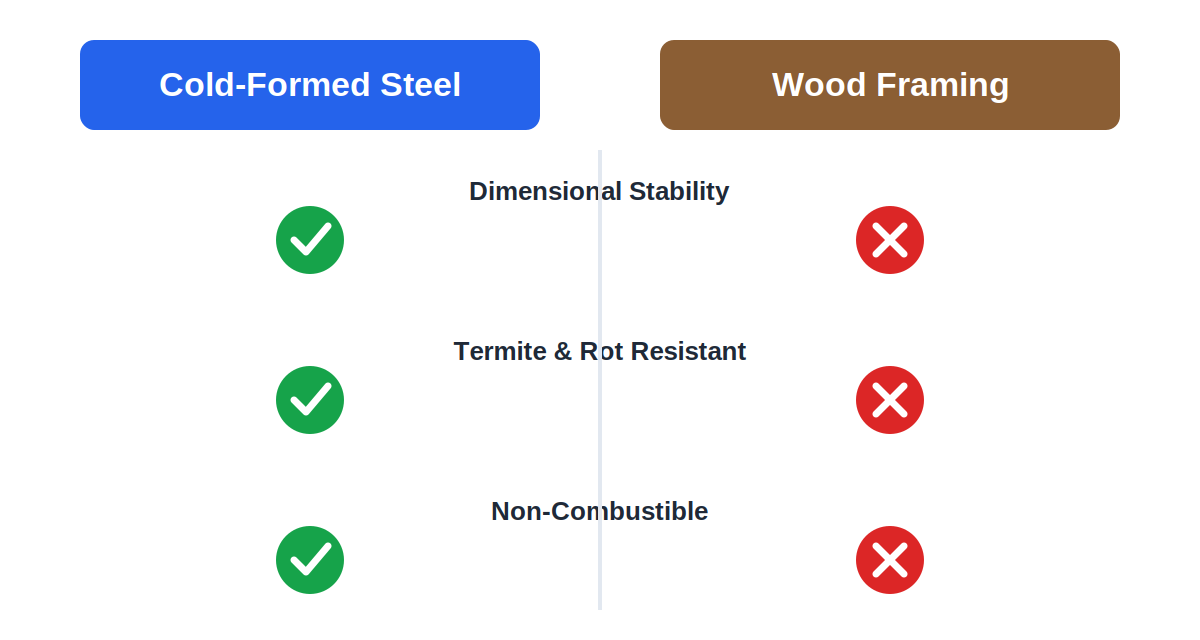
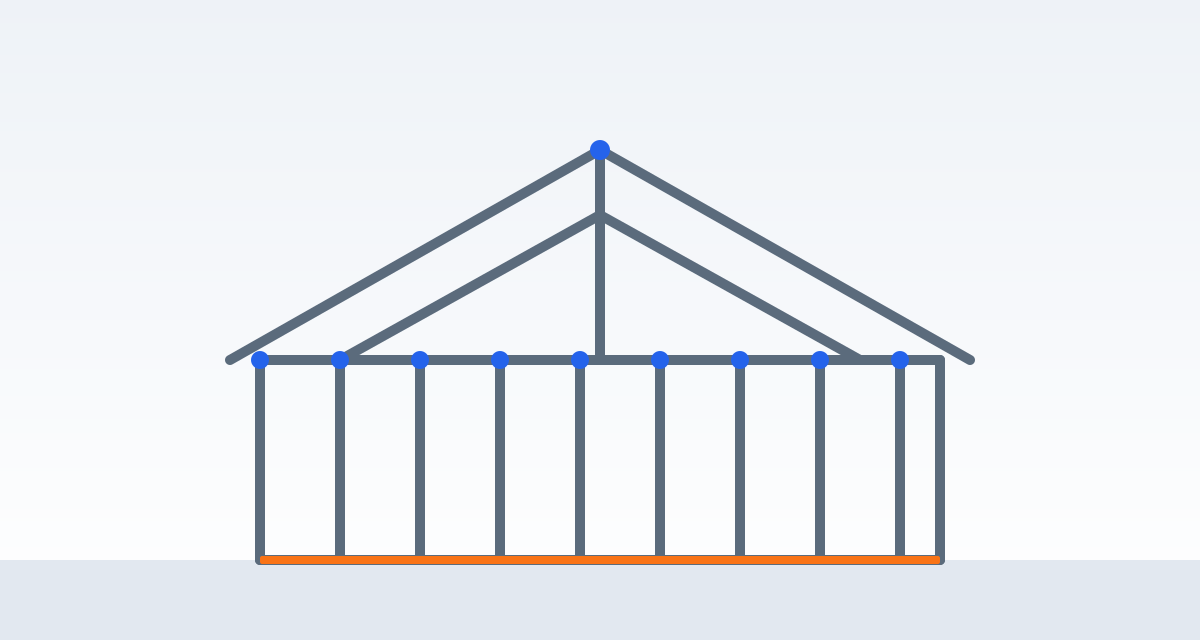
How Does Steel Framing Become an Engineered System?
What Does a General Contractor Think About During Framing?
A homeowner may look at a steel wall and see a different framing material. A general contractor sees the next several months of construction. The builder is thinking about:- How accurately will the walls be laid out?
- How much modification will be required in the field?
- How much material will be wasted?
- Will the framing match the plans?
- How predictable will the openings and dimensions be?
- How easily can the next trades work from the completed frame?
- How much can be known before materials arrive at the jobsite?
Why Does Brad Cooper’s Perspective Matter?
Brad Cooper isn’t approaching steel framing as an academic exercise — he is approaching it as a general contractor and custom home builder. That distinction matters.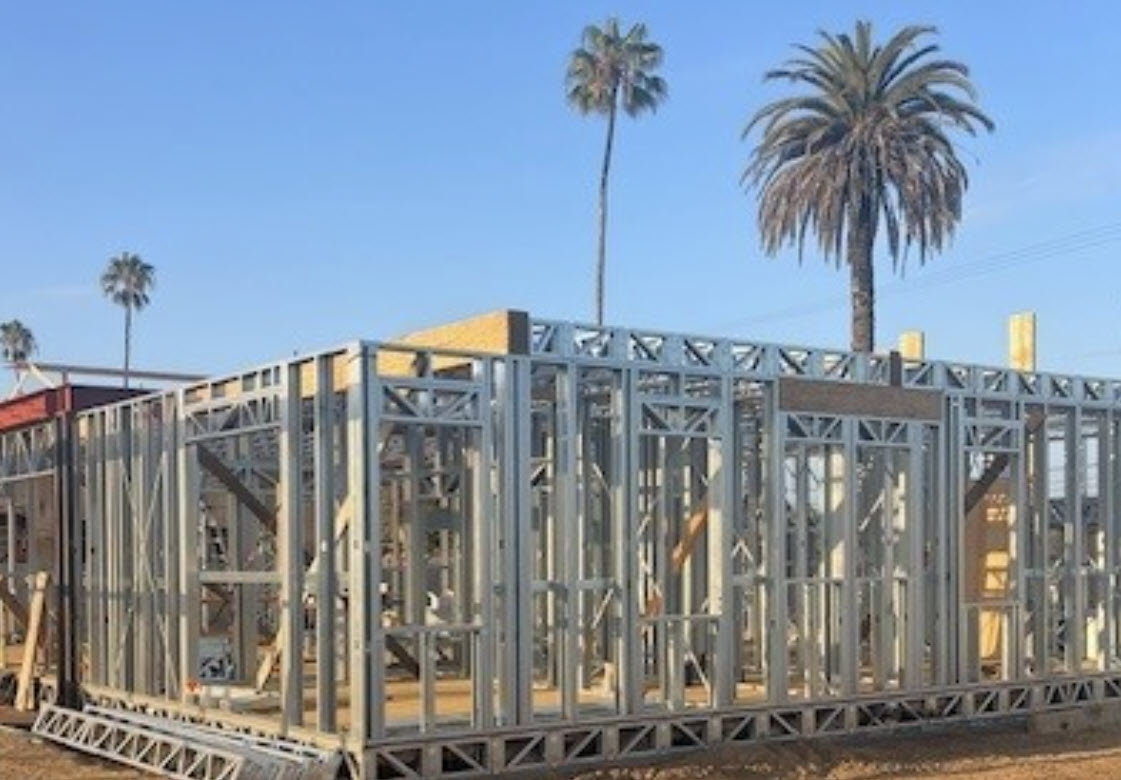
What’s the Difference Between a Material and a Building System?
There are many reasons builders and engineers use cold-formed steel: it is dimensionally stable, resistant to termites and rot, non-combustible, and recyclable. Those are characteristics of cold-formed steel itself — not unique claims about MC² Homes or FrameUpNow. FrameUpNow makes this distinction explicitly in its explanation of why cold-formed steel differs from wood. The more interesting question is what a builder can do with those characteristics when they are incorporated into an engineered construction system. That is where the MC² Homes and FrameUpNow story becomes different: MC² Homes brings the perspective of the general contractor, and FrameUpNow brings the engineered cold-formed steel system. Together, they connect the material decision to the actual construction process.So, Why Would a General Contractor Choose Cold-Formed Steel?
The simplest answer may also be the most important. An experienced general contractor has already seen what happens when the construction process contains too many unknowns. They know that small inaccuracies at the framing stage can create problems later, that material waste costs money, that rework costs even more, and that homeowners ultimately experience construction through the predictability — or unpredictability — of the process. So the question isn’t simply, “Is cold-formed steel better than wood?” The better question is, “Can a cold-formed steel framing system give an experienced builder a more predictable way to build?”